
10 November 2026
Bridging Technology, Research and Marine Conservation: Gabriela Nathania Harywanto’s Journey
Marine conservation is about more than protecting individual species. It requires understanding the... Read more

The Australia Awards are prestigious, transformational scholarships and short courses offered to emerging leaders for study, research and professional development in Australia

06 October 2026
 Bridging Field Experience and Policy: Wipsar Aswi Dina Tri Andari’s Approach to Disaster Readiness
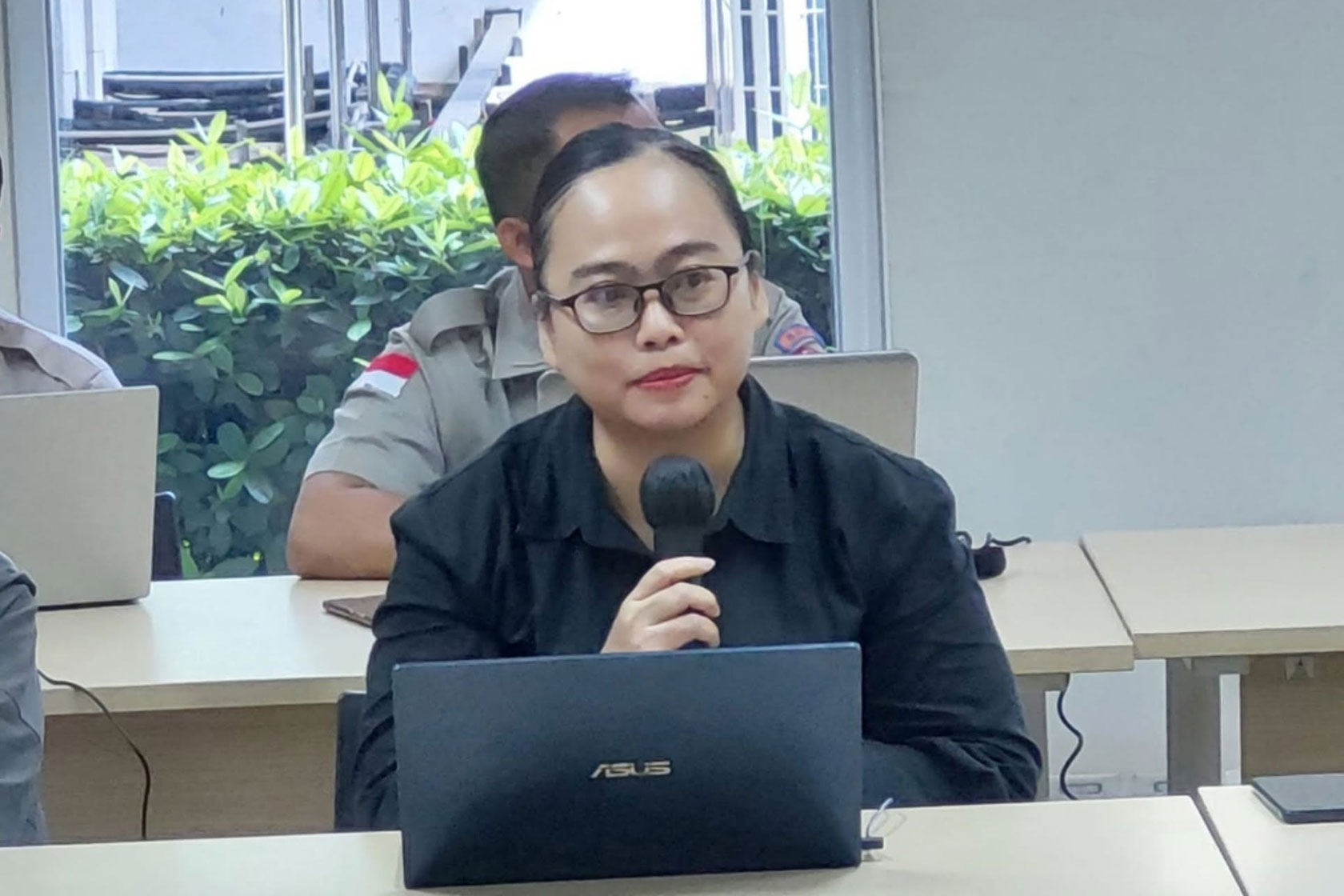
Years on the front lines of major humanitarian crises have taught Wipsar Aswi Dina Tri Andari a vital lesson: effective disaster response depends not only on delivering aid quickly, but also on building strong networks and preparing long before a crisis strikes.
'Disasters are not BNPB’s burden alone. Fostering local and institutional partnerships is the priority for emergency logistics readiness. So, we know exactly who to work with and contact in the event of a disaster,' said Dina, referring to Badan Nasional Penanggulangan Bencana (BNPB), Indonesia’s national disaster management agency.
Over nearly two decades in disaster management, from Cyclone Nargis in Myanmar in 2008 to the 2026 East Nusa Tenggara earthquake, Dina has developed extensive experience in disaster preparedness, humanitarian logistics and emergency response.
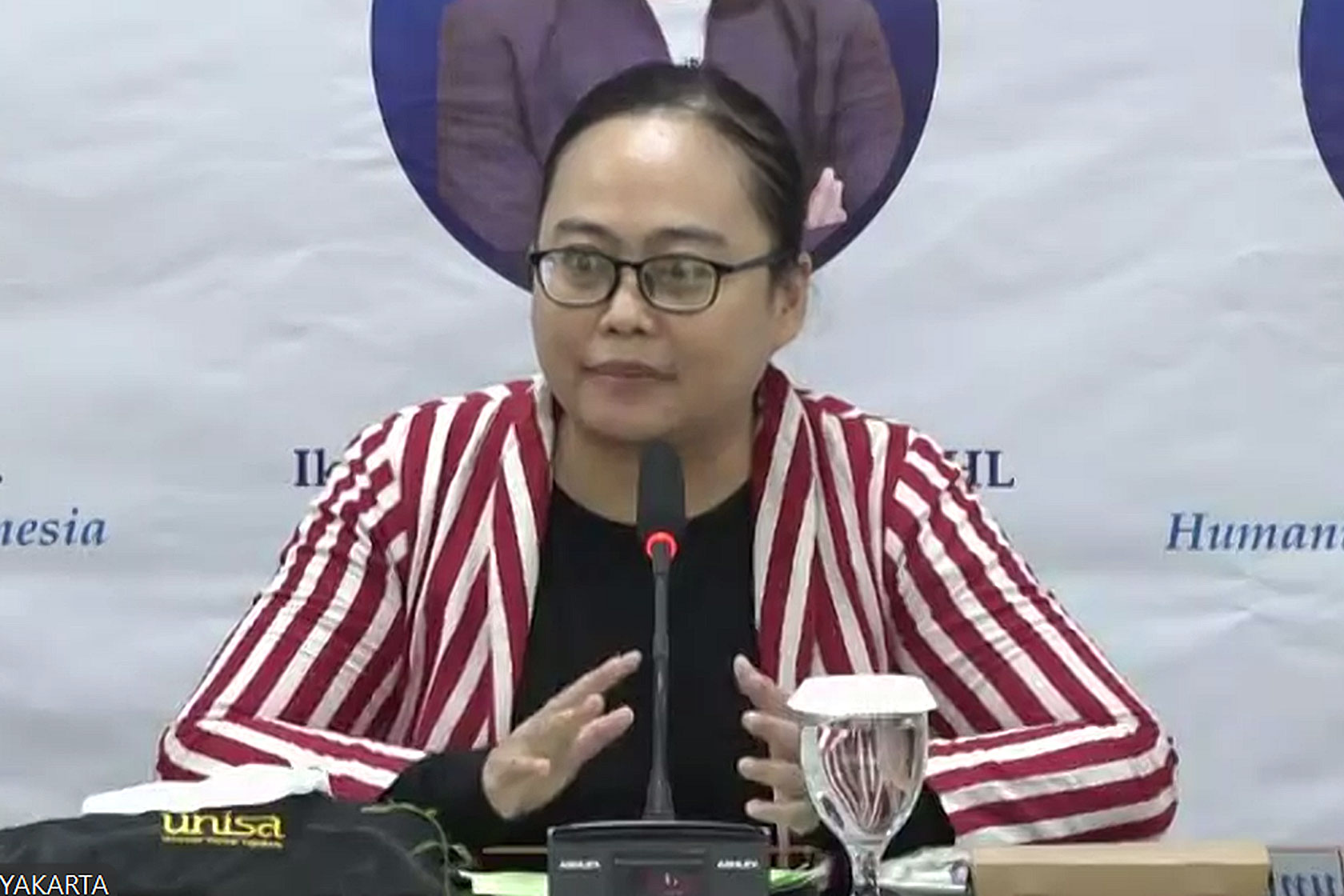
Today, as Partnership Specialist for the Australia-Indonesia Partnership in Disaster Risk Management (SIAP SIAGA), she is drawing on that experience to help shape a new national disaster response framework.
The Catalyst: The Bali Bombings
Dina’s interest in crisis and disaster management began while studying international relations at Universitas Gadjah Mada. Her interest in international tourism led her to pursue a Masters of Arts in Tourism and Crisis Management at the University of Canberra in 2005, supported by the Australian Government’s Endeavour Asia-Australia Postgraduate Scholarship.
For her masters thesis, she examined the role of crisis management in driving the recovery of Bali's tourism sector following the 2002 and 2005 bombings. The research gave her an academic foundation in crisis recovery and encouraged her to explore how communities and institutions can respond to disruption and rebuild.
Her experience in Australia also helped strengthen her independence and confidence in approaching complex problems, qualities that would later become important throughout her humanitarian career.
Navigating Humanitarian Diplomacy
After returning to Indonesia in 2007, Dina began building a career in international development, first working as a translator for an Avian Influenza project with the United Nations Food and Agriculture Organisation (FAO).
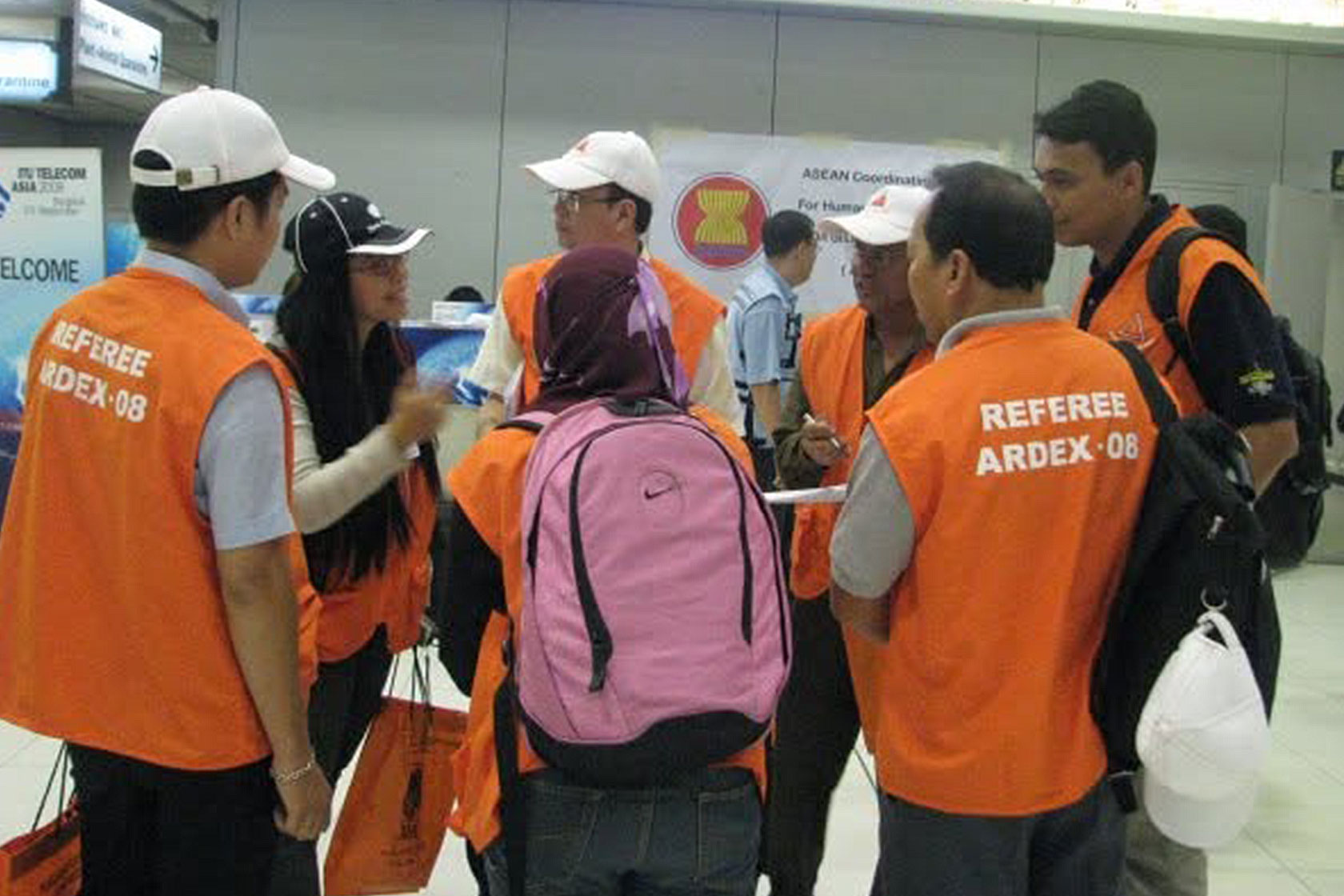
In 2008, she joined the Association of Southeast Asian Nations (ASEAN) as a Technical Officer in the disaster management and humanitarian affairs division. Soon after, she was thrust into her first major crisis: Cyclone Nargis, which struck Myanmar in May 2008, killing more than 230,000 people and devastating infrastructure across the country.
Myanmar initially rejected international assistance, eventually agreeing to coordinate relief through ASEAN. With the regional organisation still developing its humanitarian response mechanism, the crisis led to the establishment of the Tripartite Core Group, an ad hoc mechanism to coordinate aid delivery.
For Dina, the experience provided an early lesson in humanitarian diplomacy. She processed visas for relief workers and supported diplomatic and operational discussions to facilitate the movement of humanitarian personnel and assistance.
‘It was a baptism by fire for both ASEAN and me. I had to ensure Myanmar’s relief efforts went smoothly while still doing my regular tasks. I went home at 11:00 p.m. or later every day, but I gained a lot of knowledge,’ Dina recalled, echoing a once-famous remark by the then ASEAN Secretary-General.
Dina remained with ASEAN until 2012, contributing to the development of regional emergency response mechanisms, including the ASEAN Coordinating Centre for Humanitarian Assistance on Disaster Management (AHA Centre) and the ASEAN Emergency Logistics System.
Frontline Relief and Community Engagement
After returning from Cuba, where she had accompanied her husband during his posting, Dina joined the United Nations World Food Program (WFP) in 2015. There, she worked directly with local communities and Indonesian government agencies, including BNPB and the Ministry of Social Affairs, to strengthen emergency logistics.
She was deployed to several major disasters, including the 2018 Lombok earthquake, the Sunda Strait tsunami and the Central Sulawesi disaster, where an earthquake, tsunami and soil liquefaction struck communities around Palu.
‘I felt even more useful when I was interacting directly with affected communities. It is what has kept me working in humanitarian work because it has a lot to do with empathy,’ she explained.
Her work went beyond emergency response. She supported the Ministry of Social Affairs in strengthening emergency logistics capacity and studying Kampung Siaga Bencana (Disaster Resilient Villages), a community-based program designed to help people in high-risk areas act as first responders. She also helped BNPB develop the Humanitarian Logistics Master Plan and the National Network of Humanitarian Response Facilities.
These experiences showed Dina that effective disaster management requires more than technical expertise. It also depends on understanding local conditions, listening to communities and bringing different institutions together around a common objective.
From Operations to Policy
Working on the front line also revealed a gap between relief protocols and Indonesia’s diverse local realities. International procedures may assume reliable roads, established warehouses and standard logistics infrastructure, conditions that cannot always be guaranteed in disaster-affected areas.
Rather than treating these differences as obstacles, Dina began exploring how international approaches could be adapted to Indonesia’s circumstances.
. Recognising the importance of combining practical experience with research and evidence, in 2019 she commenced a doctoral degree in crisis and disaster management at Charles Darwin University, supported by Indonesia’s Lembaga Pengelola Dana Pendidikan (LPDP) scholarship.
Her second period of study in Australia strengthened her ability to examine complex issues from different perspectives and connect academic research with practical challenges.
Turning Experience into Preparedness
Dina is now bringing her field experience, research and policy work together through the development of logistics preparedness guidelines for BNPB and local disaster management agencies.
Drawing on international practices from her WFP experience while adapting them to local contexts, the proposed guidelines focus on five key components to strengthen humanitarian logistics preparedness. These include building partnerships, mapping and assessing logistics resources and developing a clear concept of operations for emergency response.
‘The logistics preparedness framework is deeply special to me because I drafted it using the grounded theory method, a method that I learned while studying in Australia. It represents the culmination of my years of study and field experience,’ she said.
The draft guideline has undergone public consultation in several regions and is currently awaiting final legal review before being formally adopted.
Building Disaster-Resilient Communities
As climate change increases the complexity and potential impact of disasters, she believes Indonesia needs to continue moving from reactive emergency response towards proactive, evidence-based preparedness.
‘Currently, logistics matters take up most of the financing in any disaster response. That needs to shift by increasing efforts towards prevention, and I see this change starting to happen here,’ she said.
She also hopes communities will play a greater role in managing their own risks.
‘Even though these threats are ever-present and seem set to grow in the future, I hope our communities can remain resilient and stand strong on their own two feet without simply waiting for government aid,’ she said.
From researching crisis recovery in Australia to navigating humanitarian diplomacy, working alongside communities and developing national preparedness guidelines, Dina’s career demonstrates how knowledge gained through study can be translated into practical solutions.


Share this news on:
Related News