 Cheta Nilawaty Memimpin Pembicaraan Inklusi Disabilitas Melalui Media Inklusif
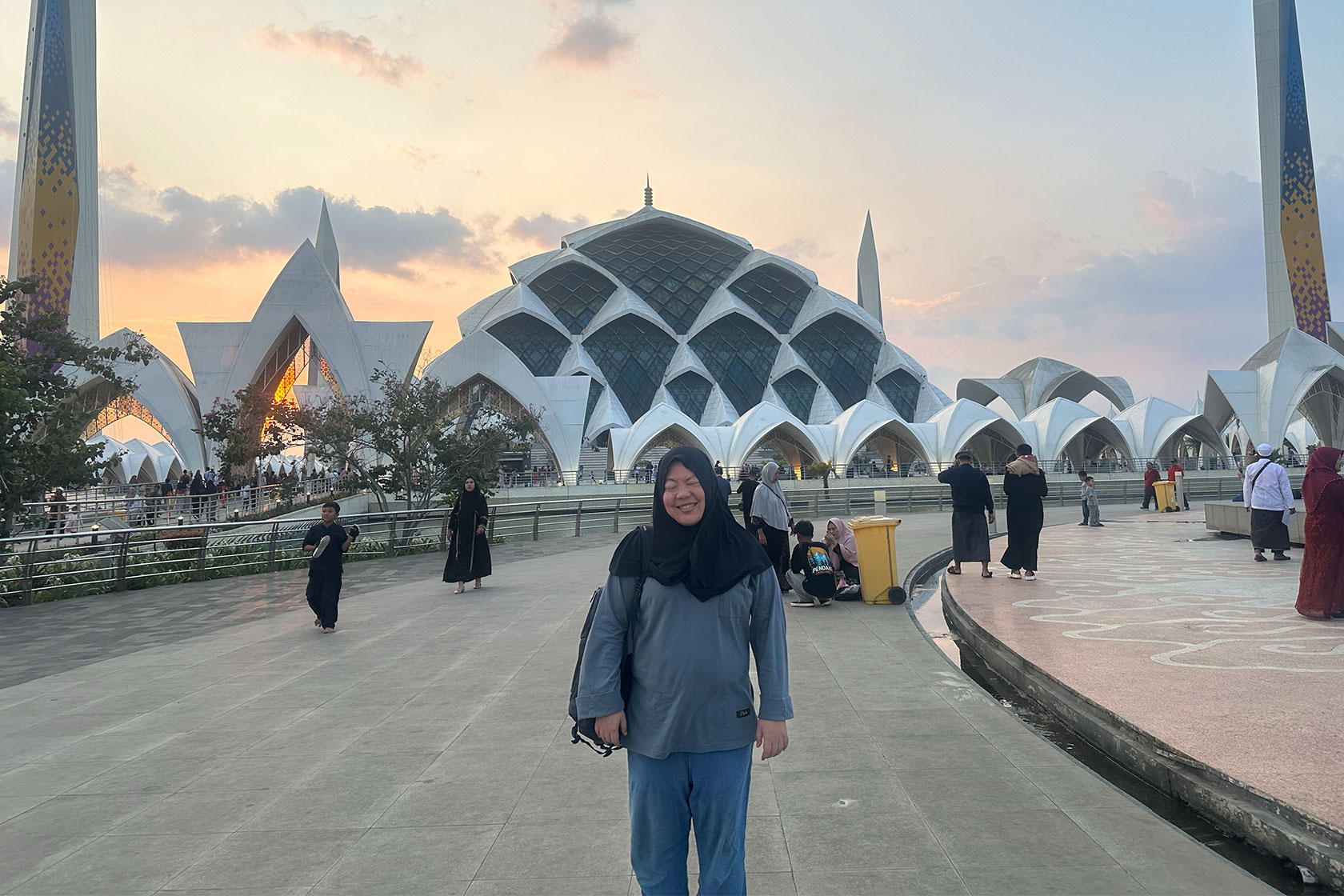
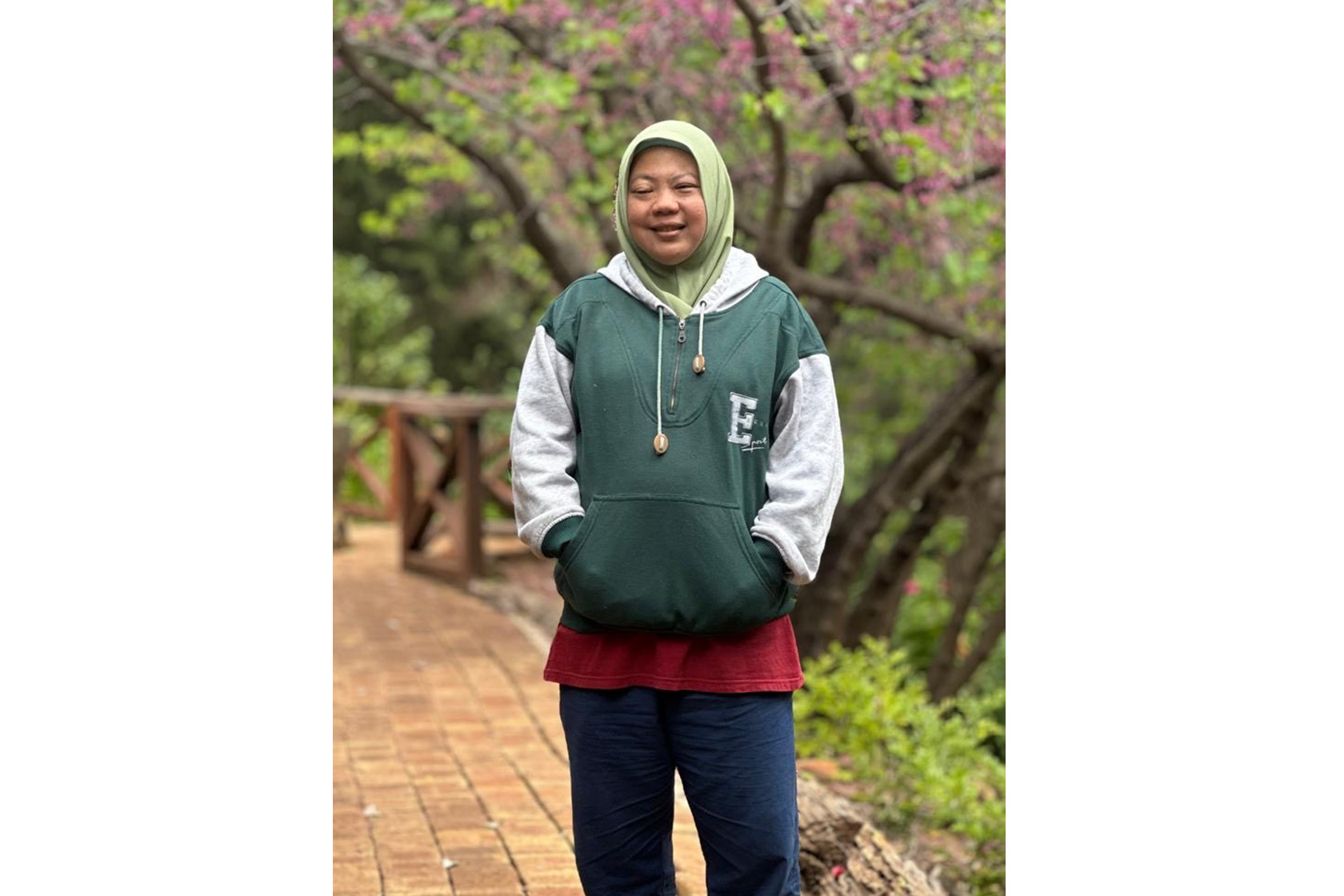
By the time Cheta Nilawaty received an Australia Awards Scholarship in 2019, she had already overcome her greatest challenge: learning how to continue being a journalist without sight. The scholarship has strengthened her expertise in communications and amplified her voice in conversations about disability-inclusive development.
Before Cheta lost her sight, she was a versatile field journalist who went wherever the story led. She was constantly on the move, interviewing sources, navigating communities and engaging with people from different backgrounds to uncover stories on politics, law and lifestyle for the leading media company Tempo.
In 2016, her tenth year working for Tempo, she began gradually losing her sight due to retinal detachment caused by diabetes. For almost a year, she was in and out of the hospital for surgeries, hoping to recover her sight. But after the eighth surgery, she completely lost her sight.
Her once-active life was abruptly halted. She fell into a deep depression.
‘For months, I felt as though I was trapped in a dark room with no sunlight,’ Cheta recalled, reflecting on her early adjustment to blindness.
Fearing that she would be laid off, she asked her office to send her to a training centre for people who are blind.
‘I told my office to take me to a blind masseuse community. I wanted to learn how to earn a living before I completely lost my vision. At that time, I thought being a massage therapist was the only job a blind person could do,’ she said.
Relearning Work and Life Through a New Lens
It turned out her office had other plans. Tempo encouraged her to take courses at Mitra Netra, a non-government organisation that focuses on improving the quality of life and participation of people with visual impairments through education.
It marked a turning point in her life. Cheta relearned everyday skills she once did with ease, from navigating her surroundings and making phone calls to cooking and operating a computer.
‘At Mitra Netra, I learned how to use a mobile phone, a screen-reading computer, read Braille, use a white cane and many other skills. I also learned how my friends at the foundation studied and interacted,’ Cheta recalled.
She studied at Mitra Netra for 4 months before returning to work in 2017.
Apart from the support from her office, Cheta also credits her late mother’s relentless effort in helping her rise from rock bottom. Her mother, who passed away in 2021 shortly before Cheta began her studies in Australia in 2022, never left her side during her most difficult moments.
‘She was the light in my darkness. She told me that I was just going blind, not dying. Her words woke me up from despair,’ Cheta recalled.
Expanding Purpose with Australia Awards
At Mitra Netra, Cheta found a community that not only helped her build resilience in navigating her new life as a person who is blind but also changed her mindset about disability. It gave her a renewed purpose to challenge the common assumption that people with disability lack the skills to work.
‘In reality, many of us are skilled in computers, music and other fields. We can do what others do, but sometimes in a different way. For example, I read through audiobooks while others read printed text. I can read just like anyone else, just using audio,’ she explained.
It’s this public scepticism, Cheta underscored, that limits opportunities for people with disabilities – not the disability itself.
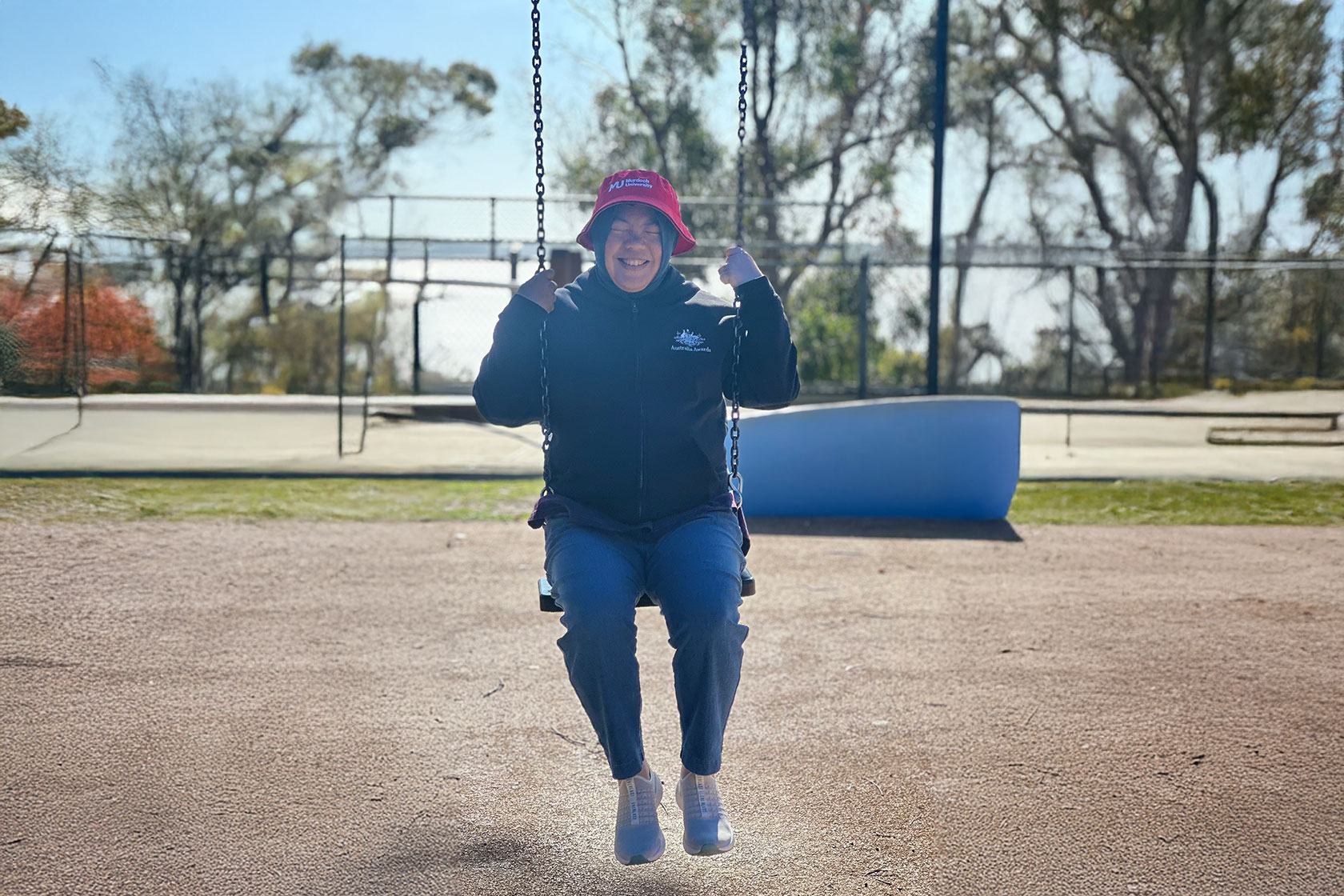
Inspired by these challenges, Cheta applied for the Australia Awards Scholarship to pursue a master’s degree in strategic communication. She hoped to use her new knowledge to develop accessible communication systems for people with visual impairments. She was accepted in 2019 to study at Murdoch University and began her studies in 2022 due to the pandemic.
Studying abroad can be challenging for anyone, and even more so for Cheta as a person with visual impairments. However, the university supported her needs. She discussed her requirements with the university’s Accessibility and Inclusion Officer, who helped arrange accommodations that enabled her to fully participate in her classes.
‘The officer not only made a list of my requirements, but also distributed the list to all the lecturers in classes that I took. Although I was struggling there because of the language barrier, I was excited because of the knowledge and the accessibility I received on campus,’ she said.
Giving Voice to Disability in the Media
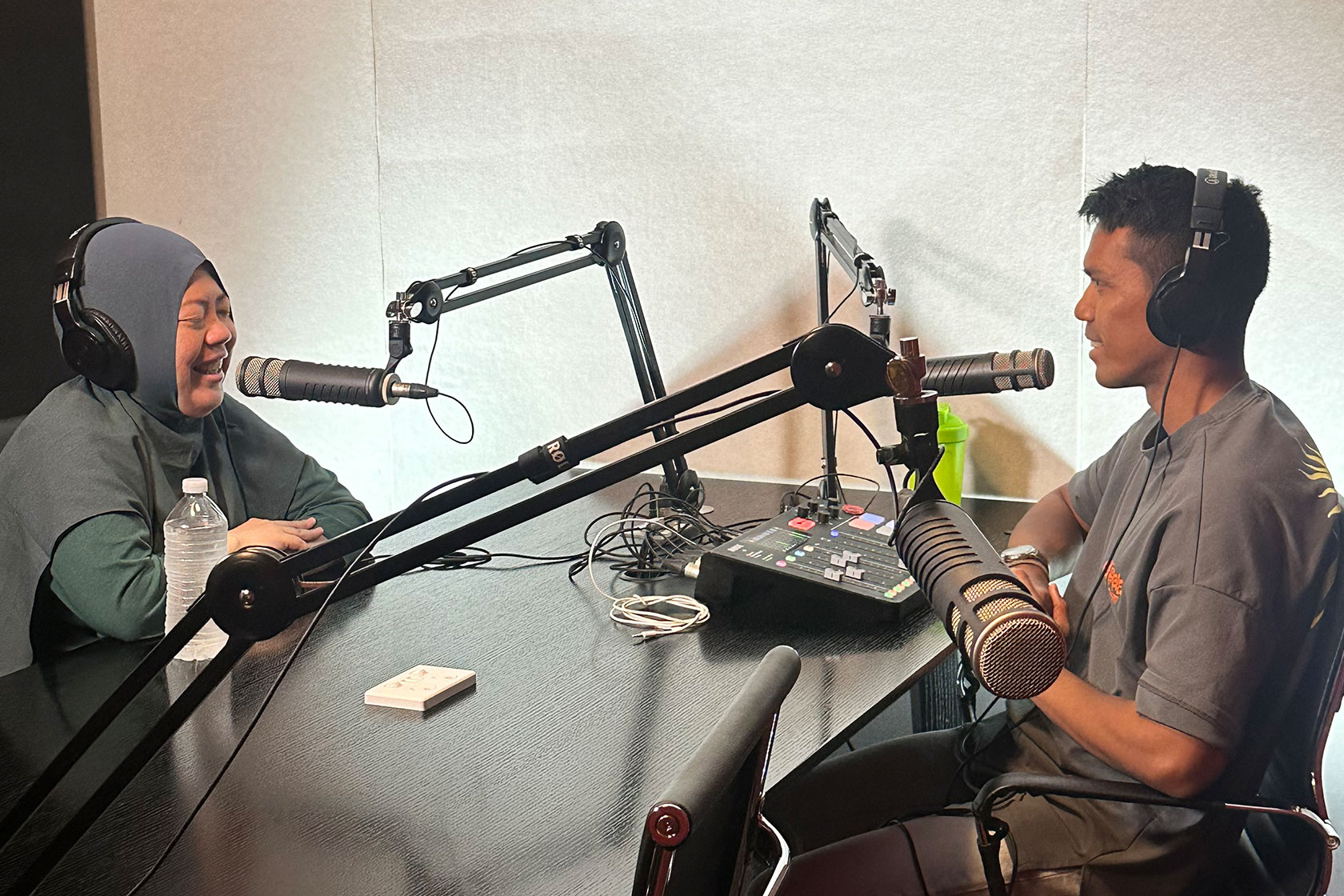
Cheta completed her studies in December 2024. Equipped with strategic communication skills, she now works to enhance Tempo’s digital content, particularly for Difabel, Tempo’s channel that covers disability and inclusivity issues, which she also managed before studying in Australia.
Studying in Australia, she said, helped strengthen her strategic, creative and analytical thinking skills to design impactful community development programs. These skills have empowered her to navigate the shift in the media landscape toward digital content and to help drive discussions on inclusive policy.
‘I can now design content that is not only more creative, but also relevant to today’s audiences who prefer short, social-media-based news formats like BuzzFeed. I hope this content can help shift public perceptions about people who are blind and mainstream inclusivity issues,’ Cheta remarked.
Another goal that drove Cheta to apply for the Australia Awards scholarship was to consider how to create jobs in the media for people with disability. In the future, she hopes to develop a podcast run by people with visual impairments.
From Ceremony to Real Action on Disability Inclusion
As her understanding of disability expands, Cheta now views the International Day of Persons with Disabilities as a reminder of the goals of equity, dignity and shared understanding.
She stressed that a person becomes disabled not because of their physical condition, but because the environment often lacks awareness and support for their needs. For instance, she pointed out the limited availability of sign language interpreters for people who are deaf, and the lack of accessible infrastructure that allows people with physical disabilities to move independently and with ease.
‘Inclusion should not stop at having people with disabilities dancing or singing in events to celebrate the day,’ Cheta remarked. ‘It is time for us, people with disabilities, to hold the public and institutions to their promises of inclusion and equality that have often been widely touted. Within a rights-based approach to disability, people with disabilities are entitled to the same human dignity and equal participation, as anyone else.’
With this mindset, Cheta continues to be a productive journalist who contributes to solutions for people with disabilities, not only shifting perspectives but also influencing systems.
‘I also want to encourage people with disabilities not to feel inferior or isolate themselves,’ she added. ‘Inclusivity also requires effort and determination from within.’